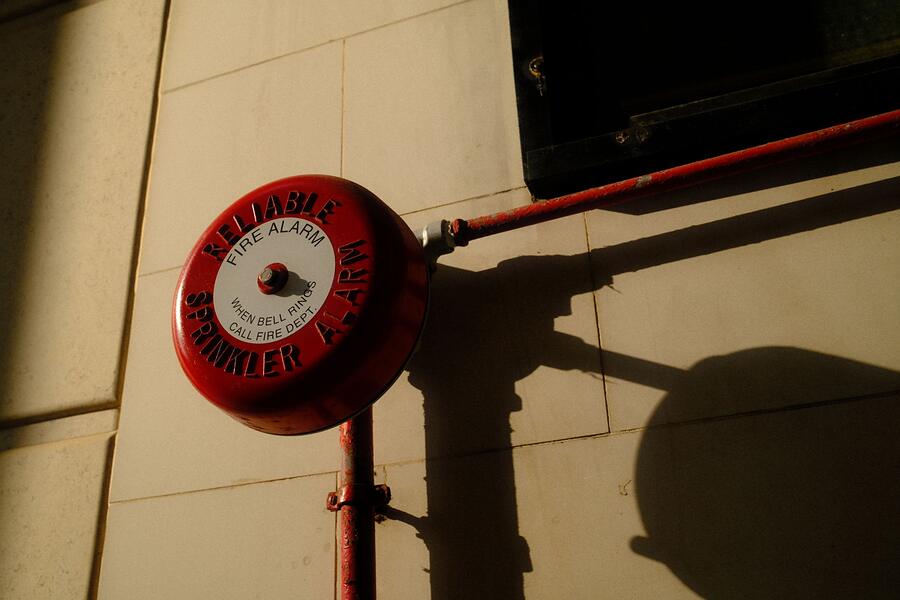
Fire Watch in Downtown Orlando
Downtown stacks its occupancy vertically, so the round on an impaired system here gets measured in stair flights and elevator recalls. Nexus Security Firm posts officers in the office towers along Orange Avenue, the residential high rises around Lake Eola, and the institutional blocks at either end of the core.
- A watch standing in hours
- Stair tower rounds timed on the real route
- Officers licensed under Florida Chapter 493
Fire Watch in Downtown Orlando
The downtown skyline came out of two building waves. The office stock arrived first: 200 South Orange topped out at 441 feet over 30 floors in 1988 and has held the title of tallest building in the city ever since, the Bank of America Center reached 28 floors the same year, and the Orange County Courthouse added 24 floors in 1997. The residential wave followed two decades later, putting the Waverly on Lake Eola up in 2001 and The VUE at 35 floors in 2008, with Society Orlando finishing at 28 floors in 2023 as the most recent tower of any size to open here.
That mix decides what a watch looks like inside the core. An office tower empties by seven in the evening, which makes an overnight impairment a low-occupancy problem and a long quiet round. A condominium tower on the next block holds residents in their beds at three in the morning, so the same four cumulative hours of alarm impairment that NFPA 72 allows in any 24 carry a different weight, and the Florida Fire Prevention Code enforces the standard for both.
Both ends of downtown add occupancies that cannot be cleared on short notice. The Orlando Health campus at the south end includes the 808-bed Orlando Regional Medical Center, the only Level One trauma center in Central Florida. At the northwest corner, the UCF and Valencia campus opened at Creative Village in August 2019, and UnionWest put 640 student beds on the upper levels of a 15-story building sitting over classrooms and a culinary school.
Height is what sizes a downtown watch
The officer count on a downtown job comes out of the stair towers, so it gets worked out floor by floor before anything is quoted. A pass of the impaired zone has to finish inside whatever interval the authority having jurisdiction sets, and one officer walking a 28-floor tower with two stair cores cannot hold a short interval however fit that officer is. Buildings in the 300 to 440 foot range downtown usually take a split: one officer working the stack upward from the lobby, a second holding the floors above the mechanical level, and a third covering the podium, the loading dock and the garage decks when those sit under the same impaired zone.
Elevator behavior matters as much as floor count. When part of a system is out of service and part is still live, cars can recall on a device that is working and strand an officer mid round. The route gets built to be walked without an elevator, and the stair doors get checked for hardware that would lock an officer onto a landing.
The condominium towers around Lake Eola have a second clock running
Downtown residential towers carry a structural deadline alongside the fire code one. Florida Statutes 553.899 puts buildings of three stories or more held in condominium or cooperative ownership through a milestone inspection at 30 years of age and every 10 years after that, with the 25-year trigger reserved for buildings within three miles of a coastline. Downtown Orlando sits well inland, so 30 years is the figure that applies here, which places the towers finished between 2001 and 2008 into their first milestone across the 2030s and places older converted buildings there already.
What the repairs do to the fire protection is the part boards call about. Balcony and stair core work reaches alarm wiring, standpipe connections and sprinkler branch lines, and the systems come out of service floor by floor while owners stay in their units. Those watches run in weeks and the shift that decides them is the overnight one, because the crew that opened the riser at eight in the morning is long gone by the time the building is fully asleep.
Some downtown occupancies have no evacuation option
A trauma center, a courthouse holding people in custody and a student housing floor are three buildings where the alternative to a watch is unworkable. Intensive care patients do not get moved because a smoke detection zone failed a test, so the watch becomes the whole mitigation and the documentation gets read later by an accreditation surveyor as well as by a fire marshal. Government buildings downtown run the opposite schedule, where the deadline is the start of the next business day and the officer has to be on the round before the doors open.
Student housing at Creative Village behaves like a hotel with a young population and a 24-hour pattern of use. Cooking, propped stair doors and residents who cannot say which stairwell serves their floor are the three things an officer writes up most on a downtown residential round, and they belong in the log whether or not the system is back by morning.
Access is the slow part downtown
Nothing on a downtown watch costs more time than getting the officer through the building envelope. Garage clearance heights, a loading dock that locks at six, a freight elevator on a card reader and a lobby desk with no instruction about a visiting officer all take longer than the drive. The dispatch call asks for the after-hours entry point and the name of whoever will meet the officer, because an officer waiting outside a locked lobby is doing nothing for you while the impairment hours accumulate.
The agency office sits at 3203 Lawton Rd, a short run up Colonial Drive from the core, and the downtown grid keeps garage and street access predictable at night. That matters when an alarm contractor is sweeping devices across twelve floors and the building wants the watch standing from the moment the first zone drops.
What a downtown post looks like on shift
The officer works from a fixed point, usually the lobby desk or the fire command room, and leaves it on the round schedule agreed with the building. Each pass covers the impaired zone floor by floor through the stair core, opens onto every landing to check the corridor, and looks into the spaces where a fire starts unseen: mechanical rooms, trash rooms, the laundry level in a residential tower, electrical closets on the office floors. The officer carries a phone and a radio so the fire department can be called from any landing, and every pass goes into a written log with the time and the floors covered.

Why downtown buildings put the watch with this agency
The round gets timed in the building before it gets priced
A quote for a downtown tower starts with the floor plan and the stair layout. We walk the route or work it against the drawings to find how long one pass takes, then set the officer count from that number. Buildings that accept a low bid on a tall stack tend to discover mid inspection that the round interval is impossible to hold, and that is the point where a watch stops counting as coverage.
NFPA 72 allows four cumulative hours of alarm impairment in any 24-hour period before notification and a watch are required.
Overnight relief is planned for a building that never closes
Residential and hospital work downtown runs through the night, and the failure mode on a long watch is an officer who cannot be relieved at six in the morning. Every post gets a supervisor responsible for relief and for attending the post, overnight shifts included. Security industry turnover reached 77% in 2024, which makes the question of who fills a hole worth putting to any agency before the first shift.
Turnover in the security industry stood at 77% in 2024, against 69.3% five years earlier (ASIS International).
A license number a downtown risk manager can run
Nexus Security Firm holds FDACS Class "B" agency license B 1900066, and every officer posted downtown holds a Florida Class "D" license. Both appear on the free Division of Licensing lookup, so a property manager filing an impairment notice with a carrier or handing paperwork to a fire marshal can confirm the agency without asking us for a document first.
Two years is the term of a Florida Class "D" license, issued on 40 hours of FDACS-approved training (FDACS Division of Licensing).
A common downtown tower call
The situation: A common call from the core comes from a property manager at a mid-rise office tower where the alarm contractor took the system down for a scheduled device sweep and is now two floors behind schedule. A law firm is working late on three floors, the accumulated impairment has passed four hours inside the 24, and the manager has just learned that the notification and the watch should already have been in place.
What gets done: The call establishes the floor count, the stair layout, which zones are down and which are still annunciating, and whether the garage sits inside the impaired zone. Two officers are assigned to split the stack, after-hours entry at the loading dock is arranged with building engineering, and the round begins once the first officer has been walked through the route by the on-site contact. Each pass is logged by time and floor, with mechanical and electrical rooms named individually.
How it turns out: The contractor finishes the sweep the following evening, the system is tested and accepted back, and the watch stands down on the manager's instruction. The completed log goes to the building for its own file and for the carrier, which had asked for documented coverage across the whole outage.
Fire watch questions from downtown Orlando buildings
Five questions that come up on almost every call from inside the core.
Other areas we stand watches
The same officers cover the neighboring submarkets, and the drive between them is short enough that one impairment does not tie up the others.
Get a downtown watch standing
Call with the building address, the floor count, which zones are impaired and the time the system went down. Dispatch answers at every hour, and the agency license, FDACS Class "B" number B 1900066, is there to check before you call.