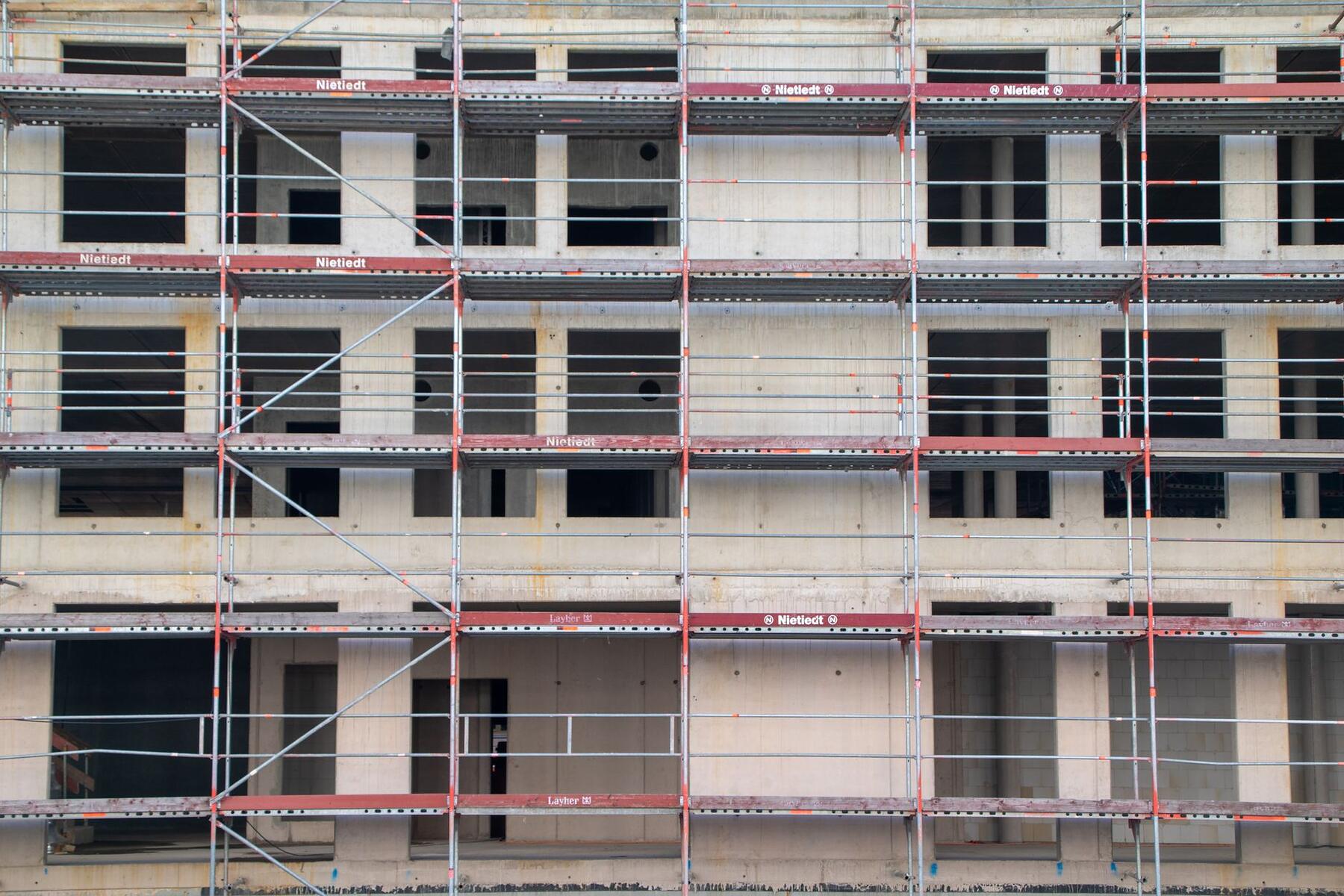
Construction Fire Watch in Orlando
A building under construction has the combustible load of a finished structure and none of the protection, because the sprinklers are not commissioned, the alarm is not accepted and the standpipe is chasing the top floor. Nexus Security Firm staffs the fire watch your AHJ or your carrier requires for the construction phase, with licensed Florida officers and a written round log.
- A watch standing in hours
- Nightly and weekend watch on active sites
- FDACS Class "B" agency license B 1900066
What a construction fire watch covers
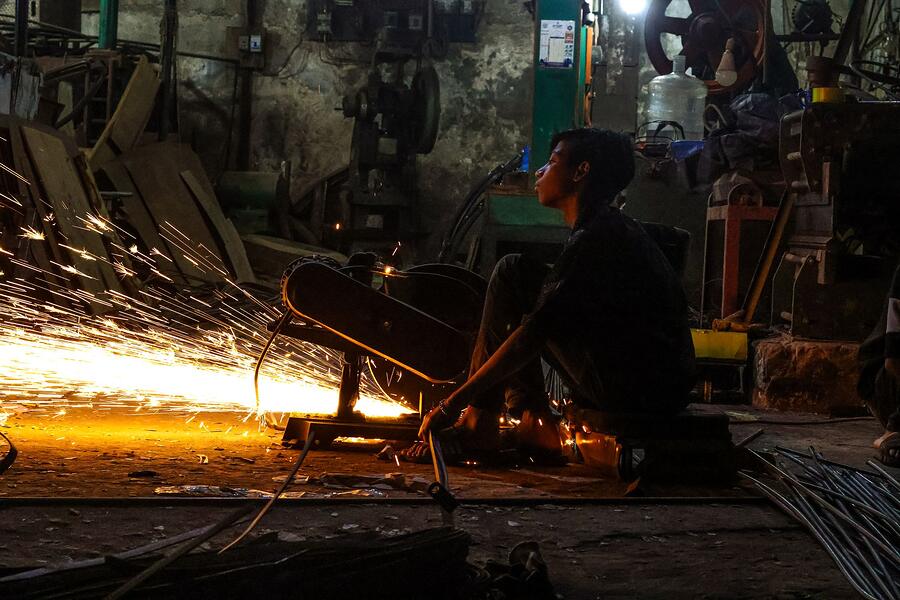
The officer walks the structure on a timed round looking for the things that start construction fires: heat left running, temporary electrical taped into a panel, trash and packaging piled against framing, cut-off saws and torches left hot, and smoking anywhere inside the envelope. On a wood-frame build that round covers every level and every stair core. On a concrete high-rise it covers the active floors, the formwork deck, the hoist landings and the temporary standpipe valves.
The round also checks the things a fire department will need if it does come. Site access gates and fire lanes stay clear. The standpipe connection stays accessible and identified. Extinguishers stay in their stations and stay charged. Exits and stair access stay open. Every round is written up with the time, the levels covered and anything found, and anything found goes to the site superintendent in the same shift.
Why an active site ends up owing a watch
Because the protection arrives last. Sprinkler mains get charged in phases, the fire alarm is not accepted until close to occupancy, and the standpipe on a high-rise is required to keep pace with the structure while the structure keeps moving. For most of the schedule the building has detection and suppression somewhere between nothing and partial, which is exactly the condition the code treats as an impairment in a finished building.
The construction standard NFPA 241 covers safeguarding construction, alteration and demolition operations, and Florida brings the NFPA standards into force through the Florida Fire Prevention Code under Chapter 633. The practical consequence for a general contractor is a site fire safety program with a named person responsible for it, impairment procedures, and a fire watch whenever the protection in place does not match what the phase requires. Carriers on large wood-frame projects frequently write a nightly watch into the policy independently of anything the AHJ asks for.
Wood frame and high rise are different jobs
Wood-frame multifamily is the higher-consequence version. A framed but unsheathed podium building has open stair cores acting as chimneys, no compartmentation yet, and a fuel load of lumber, sheathing and foam insulation stacked on every level, and that is the condition Central Florida puts up around UCF, in Lake Nona and across the Kissimmee and Apopka growth corridors. Watches on these sites run nightly through the framing phase and come with a route that reaches every level, including the ones with no stair rail yet.
A concrete high-rise downtown is a slower fire and a harder walk. The fuel load is formwork, temporary power and finish materials landed floor by floor, and the round has to cover a vertical building with a hoist and a temporary standpipe. Officer count on those follows the round time, which is measured on the actual route with the hoist schedule in mind, since a watch that depends on a hoist operator who has gone home is a watch that stops climbing.
How the watch is staffed
Most construction watches run nights, weekends and holidays, because those are the hours the site is empty and the protection is still absent. A typical pattern is a single officer from crew-out to crew-in on weeknights with continuous coverage across weekends, and it scales up when the round time on a large or vertical site outgrows one person.
These posts are unarmed. Officers hold the Florida Class "D" license, which requires 40 hours of FDACS-approved training and is valid two years (FDACS Division of Licensing), and they are briefed on the site: the route, the standpipe and extinguisher locations, the site fire safety plan, the gate codes and who to call at 3am. A supervisor is assigned to the project and attends the post, including overnight, which on a months-long schedule is the control that keeps the round honest. A fire watch post is not a theft patrol, and sites needing both should staff both.
What a construction fire watch costs
Central Florida unarmed coverage runs roughly $24 to $34 an hour per officer, and long construction watches usually price in the lower half of that because the schedule is predictable and the hours are contracted for months. The band comes from Florida guard wages of about $14 to $18 an hour and the 1.5x to 2x bill-rate markup the industry works on, with officer pay at around 70% of the bill rate (Belfry Software, 2026).
What moves it on a construction project: the shift pattern, since nights, weekends and holidays carry premiums; the officer count the round time forces; and the contract length, because a job booked for the framing phase schedules differently from a week of cover while a sprinkler main is charged. Ask any agency bidding a site watch how it handles the hole when an officer calls out at 10pm on a Saturday, because that answer is worth more than a dollar an hour on the rate.
What Orlando adds to a construction watch
Hurricane season, which runs June through November, is the local variable. A site with a storm coming ties down loose material, drops the crane, kills temporary power and sends everyone home, and the days after landfall are the ones where a site sits dark with damaged temporary wiring and no crew on it. Those are watch nights whether the schedule planned for them or not, and a metro-wide power event can take a site's temporary systems down at the same moment it takes the neighborhood's.
The other local factor is the sheer concurrency of work. The tourism corridor, downtown, Lake Nona and the UCF student housing ring have all been building at once, which stretches the pool of officers who have worked a construction site at night. It is a fair question to ask any agency whether the officer coming to your site has stood a construction watch before or is being sent to one for the first time.
How to verify the license
Nexus Security Firm holds FDACS Class "B" agency license B 1900066, searchable free on the Florida Department of Agriculture and Consumer Services public license lookup. General contractors adding a security vendor to a project usually want that number for the prequalification file alongside the certificates of insurance, and it takes one search to confirm.
Officers hold individual Class "D" licenses searchable in the same place. Where a project owner or a carrier asks for verification of who is standing the watch, both the agency and the individual can be checked without going through us.
Watches that often run on the same building
A building with one system impaired often has another element out at the same time.
How a site watch gets set up
Four steps, and on a planned project the first one belongs several weeks before the protection gap opens.
-
Scope the phase and the gap
Site address, construction type, number of levels, what fire protection is in place today and what is coming when, what the AHJ or the carrier has required, and the hours the site is unoccupied. That is what defines the watch.
-
Walk the route with the superintendent
We walk the site with your superintendent, time the round on the real route including stairs and hoists, and mark the standpipe connections, extinguisher stations, temporary power and access gates. The round time gives the officer count.
-
Brief and post
Officers are briefed on the site fire safety plan, the route, gate codes, the escalation list and the log format before the first shift. Rounds start at crew-out and run to crew-in, with every pass written up.
-
Review as the phase changes
The route changes as the building grows and the protection comes online. We rewalk it at the phase changes you flag, adjust the round and the officer count, and stand the watch down when the systems are accepted.
What to expect
On an active site the watch gives you:
- Timed rounds of every level the phase requires, on the route agreed with the superintendent
- Checks on temporary heat, temporary power, trash accumulation and hot work leftovers
- Standpipe connections, fire lanes and extinguisher stations checked each round
- A written log by shift with times, levels covered and findings
- Findings escalated to the superintendent inside the same shift
- A supervisor attending the post overnight through the project
Why general contractors keep this with one agency
The round is timed on the real route
A construction round is stairs, ladders, hoist landings and half-built levels, and it takes longer than the drawing suggests. We walk it with the superintendent and time it before quoting an officer count, which is the step that prevents a site being sold one officer for a route that cannot be completed inside the interval.
Florida enforces construction-phase fire safety through the Florida Fire Prevention Code under Chapter 633.
Relief planned across a schedule measured in months
A watch running from framing to commissioning will hit callouts, holidays and hurricane days. Relief is scheduled at booking, a supervisor owns filling a hole, and the schedule is built for the whole phase instead of week to week. Industry turnover reached 77% in 2024 (ASIS International), which is why this is the part of the bid worth interrogating.
Security industry turnover hit 77% in 2024 (ASIS International).
A licensed Florida agency for the prequal file
FDACS Class "B" agency license B 1900066, officers licensed Class "D" with 40 hours of FDACS-approved training behind each one, all public on the Division of Licensing lookup. Project owners and carriers ask for it, general contractors file it with the insurance certificates, and having it ready keeps the vendor onboarding from stalling.
Every Class "D" officer has 40 hours of FDACS-approved training behind the license (FDACS Division of Licensing).
What Reddit Says About Construction Fire Watch in Orlando
The construction threads make one point about site coverage that transfers directly to a fire watch: coverage only helps where the patrol reaches. One contractor described a job box being broken into while security was on site, which is the same geometry as a fire starting on level four while the round only ever reaches level two. Ask an agency to describe the route, then ask who verifies that the route was walked.
The other recurring construction observation is that hardened arrangements beat thin ones, and that people work around obstacles instead of through them. Applied to fire safety, that is an argument for a watch with a written round and a supervisor attending it over a body on a chair by the gate. The questions buyers across the property threads tell each other to ask fit a months-long site watch exactly: who is supervising the post, how often that supervisor physically attends after dark, and how a shift gets covered when an officer calls out at short notice.
A typical construction site call
The situation: A common call from a general contractor on a wood-frame apartment project in the UCF student housing ring: four levels framed over a podium, sheathing going on, no sprinkler protection yet and no fire alarm, and a carrier that has written a nightly fire watch into the builder's risk policy for the duration of the framing phase. The site is empty from six in the evening until six in the morning, and longer over weekends.
What gets done: We walk the site with the superintendent and time the round on the real route, which includes open stairs with no rails and a lumber laydown that changes weekly. One officer covers weeknights and continuous coverage runs weekends, with the route reaching every framed level, the podium, the laydown and the temporary power. Officers are briefed on the site fire safety plan, the standpipe and extinguisher locations and the escalation list. Each round is logged with times and levels, and findings like packaging stacked against framing go to the superintendent before the crew returns.
How it turns out: The watch runs through the framing phase and into drywall, with the route rewalked when the building gains levels. The general contractor has a shift-by-shift record for the carrier and the project file, and the watch stands down when the sprinkler system is charged and accepted for the occupied phases.
Construction fire watch questions
The first group covers when a site owes a watch. The second covers staffing, cost and licensing.
Cover the site while the protection catches up
Call with the site address, the construction type, the levels and the hours the site is empty. Calls reach a person at any hour of the day, and the Nexus Security Firm agency license is B 1900066.