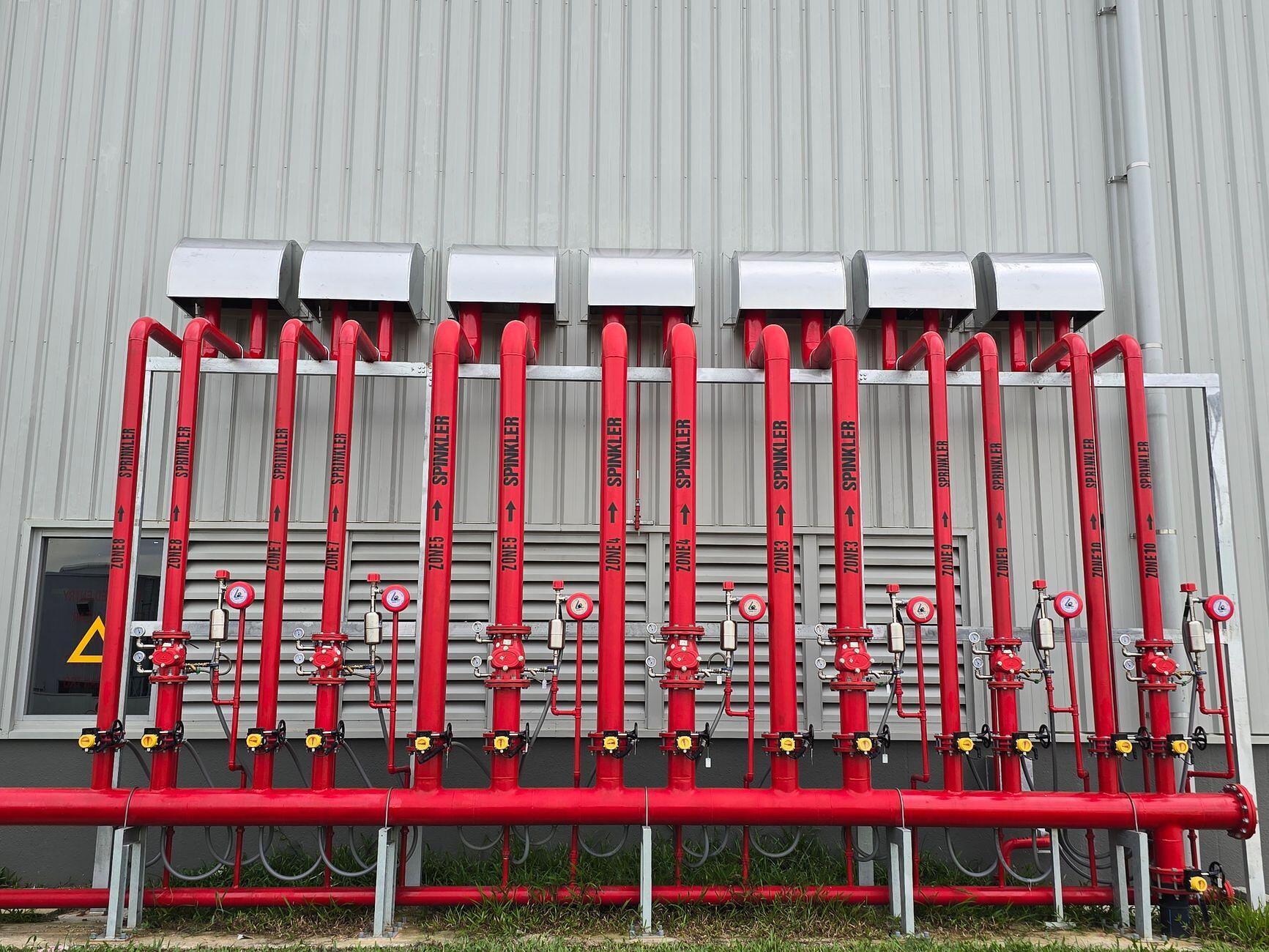
Fire Watch on International Drive
The I-Drive corridor sells sleeping rooms and exhibit floor by the night, which means an impaired system here has an occupancy load at three in the morning and a contract date that will not move. Nexus Security Firm staffs watches in the convention hotels, the timeshare towers and the meeting space between Sand Lake Road and the south end of the corridor.
- A watch standing in hours
- Guest floor rounds worked around keycard access
- Coverage sized for hall and tower occupancy
Fire Watch in International Drive
International Drive runs roughly eleven miles through the visitor corridor, and almost everything on it is built to hold people who are asleep, on a show floor, or in a queue. Orlando drew a record 76.7 million visitors in 2025 and remains the most visited destination in the country (Visit Orlando), and the corridor absorbs the meeting half of that through the Orange County Convention Center, which runs around 200 events and more than 2 million attendees a year with a $4.6 billion annual economic impact (OCCC / Orange County).
The scale of the convention buildings changes the geometry of a watch. The West Building holds 1.1 million square feet of contiguous exhibit space on a single level served by 97 covered loading docks, and the North-South Building adds 950,282 contiguous square feet including two general assembly areas of 92,000 square feet each, with the two connected by a pedestrian bridge across International Drive. A round in that space is a long horizontal walk with sightlines broken by pipe and drape, which is a different job from a stair core.
The hotel stock beside it goes the other way. The Hyatt Regency Orlando expansion tower reached 428 feet across 31 floors in 2010, second in height only to the tallest office building downtown, and the corridor carries dozens of full-service properties plus timeshare towers behind them. New rooms are still being added around the south end, and Orange County has a $560 million convention center expansion with a 100,000 square foot flexible ballroom and about 44,000 square feet of added meeting space with construction starting in 2026.
A hotel impairment is a sleeping occupancy problem
Guest room floors are the reason an I-Drive watch gets staffed heavier than a similar square footage elsewhere. The people in the building do not know the property, they are behind locked doors, and a share of them will be asleep at any hour a system goes down. The round has to reach every corridor on every impaired floor, look into the service alcoves and the ice and vending rooms where fires start in hotels, and confirm that stair doors and cross corridor doors are closed and nothing is propped for a housekeeping cart.
Access is the practical detail that gets missed. An officer who cannot badge onto guest floors is limited to the elevator lobby, so the booking call asks for a floor access key or an escort from the property, and the log names each floor that was walked. Hotels that intend to keep selling rooms through an outage tend to want that record in a form the carrier and the fire marshal can both read afterward.
Exhibit halls make the round long instead of tall
A watch over convention floor is paced by walking distance. Contiguous halls of a million square feet on one level put the officer on a route measured in laps, and during move-in and move-out the floor fills with crated freight, forklifts and partially built structures that block the line of sight down an aisle. The hazard mix shifts with the show calendar, since exhibit build often brings cutting and welding onto the floor under a hot work permit, where combustibles within 35 feet have to be moved or shielded and the watch has to continue for at least half an hour after the work stops (OSHA 29 CFR 1910.252).
Show dates are what make these calls urgent. An exhibitor move-in window is contractual, the hall has a general session in it two days later, and the answer a show manager needs is the officer count and the round schedule that will satisfy the authority having jurisdiction while the floor keeps working around them.
What takes a corridor system out of service
Most I-Drive impairments trace back to the building being busy rather than to the building being old. Kitchen hood and suppression work in a property running four food outlets, laundry and mechanical replacements scheduled into the narrow gap between groups, guest room renovations that pull devices floor by floor, and roof work on a hotel with rooms below all take systems down on purpose. Storm season adds the involuntary version, where a power event puts a panel on batteries and an alarm system running on flat batteries is an impaired system.
The corridor also has continuous construction next to occupied buildings, with new hotel rooms going up around the south end and the convention center expansion starting in 2026. Work that close to a live property is where a contractor cuts into a line that turns out to serve the neighbor, and the watch gets called by the building that did not order the work.
Staffing a watch on a property with its own security team
Full-service hotels here already run a security department, and the watch gets built to sit alongside it instead of over it. The usual split gives the property team its normal patrol and guest service duties and gives our officers the impaired zone alone, because a fire watch position carries no other assignment. That distinction is what an inspector checks first, and it is the reason loss prevention staff pulled off their regular posts rarely satisfies the requirement for long.
Tower properties get split by stack the way an office building does, with an officer per group of floors, and low-rise garden style timeshare buildings get split by building cluster. The count comes from how long one full pass takes at a walking pace, which on a large resort is often the number that surprises an operator who was expecting a single officer at the front desk.
What the post looks like on a resort property
The officer checks in at the security office or the front desk, gets floor access and a radio, and walks the route with an engineer before the first pass so the impaired zone is understood as the building understands it. Rounds cover guest corridors, back of house circulation, the laundry, the kitchen line, the pool deck mechanical space and any hall or ballroom inside the affected zone. Times and areas go into a written log at each pass, and anything found on the round, a propped stair door or a blocked exit path during move-in, gets recorded with it.
Why I-Drive properties book this agency
The officer count comes from the walk, so it holds up on inspection
A resort or a hall gets measured by how long one full pass takes on foot, including the elevator waits and the badge points. That figure sets the staffing and the round interval, and it is the same figure quoted to the property and given to the fire marshal. Coverage sold for a property this size without that calculation is the coverage that fails when an inspector asks to see the last four rounds in the log.
NFPA 72 sets four cumulative hours of alarm impairment in any 24-hour period as the threshold for notification and a watch.
Relief is planned for a building that has a show in it
Watches on the corridor run through nights, weekends and event days, and the risk on a long one is an unrelieved officer at the end of a double. Each post has a supervisor responsible for relief and for attending the post while the watch runs. Industry turnover reached 77% in 2024, so relief planning is worth confirming before a group arrives instead of during it.
Turnover across the security industry reached 77% in 2024 (ASIS International).
A license a show manager or a carrier can verify
Nexus Security Firm works under FDACS Class "B" agency license B 1900066, and officers on the corridor hold Florida Class "D" licenses. Both are public record on the Division of Licensing lookup, which matters when a hotel is filing an impairment notice with its carrier or a show manager is attaching the watch arrangement to a facility submission.
Class "D" officers in Florida complete 40 hours of state-approved training before licensing (FDACS Division of Licensing).
A typical call from the convention corridor
The situation: A typical corridor call comes from the engineering director of a full-service hotel whose alarm panel dropped several guest floors into trouble during a scheduled device replacement, with a group in house and the replacement board on a next-day freight delivery. The property has rooms sold on every affected floor and has already told its carrier the system will be down overnight.
What gets done: The call works out which floors are impaired, how many corridors each floor holds, whether back of house and the laundry sit on the same zone, and how officers will badge onto the guest floors. Coverage is set by stack so a full pass of the affected floors finishes inside the interval the AHJ expects, officers are briefed by the engineer on the route, and the round log records every corridor and service space by time.
How it turns out: The board arrives, the contractor restores and tests the system, and the watch stands down once the property confirms the system has been accepted back. The hotel keeps the written log for its own file and for the impairment paperwork its carrier asked for.
Fire watch questions from I-Drive hotels and venues
What operators on the corridor ask before they book a watch.
Other areas we stand watches
The same officers cover the neighboring submarkets, and the drive between them is short enough that one impairment does not tie up the others.
Cover an impairment on the corridor
Call with the property, the affected floors or halls, what is out of service and when it went down. The dispatch desk is answered every hour of the day, and the agency license number is published for you to check before you book.