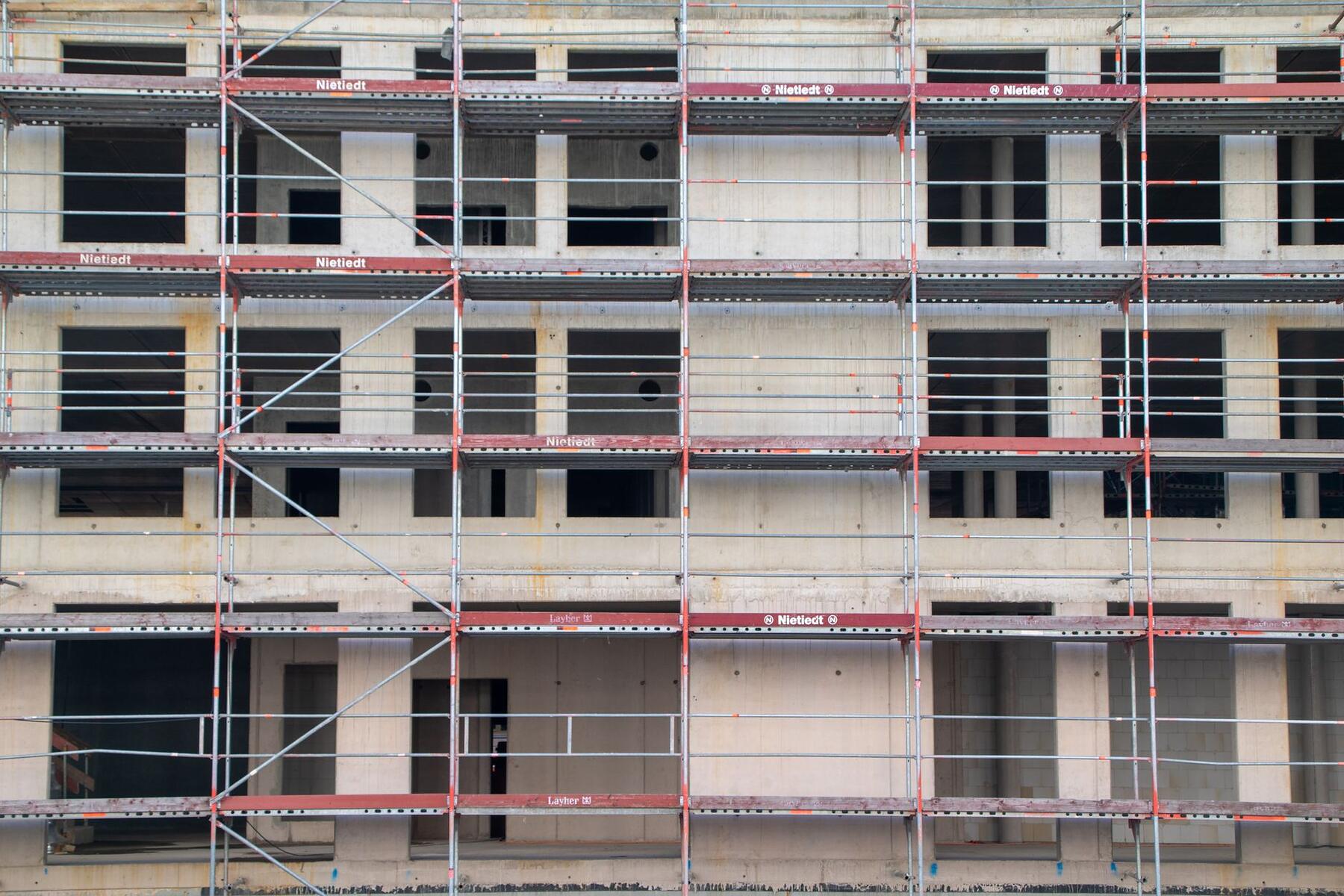
Fire Watch in Winter Park
Winter Park is a low city by ordinance and an old one by inventory, so a watch here is short on stair flights and long on concealed spaces. Nexus Security Firm posts officers in the Park Avenue blocks, the apartment and campus buildings behind them, and the institutional properties along Lakemont Avenue.
- A watch standing in hours
- Officers sized to small buildings and short rounds
- Coverage held for long parts waits on older panels
Fire Watch in Winter Park
The Downtown Winter Park Historic District runs along Park Avenue from Canton to Comstock and takes in buildings put up between 1882 and 1965, and it went onto the National Register in 2011. The city has kept the scale deliberately: development downtown is held to two stories, with a third story available only as a conditional use and only on a supermajority vote of the City Commission. There is no tower stock here and there is unlikely to be any.
What that produces is a fire watch market made of small buildings with complicated interiors. A Park Avenue block can carry ground floor retail, a restaurant with a hood system, offices above and a mechanical space tucked into a roof well, all sharing one alarm panel and one riser. Behind the avenue sit older apartment buildings and the 70-acre lakefront Rollins College campus, and along Lakemont Avenue is AdventHealth Winter Park, a hospital that opened in 1955 with 58 beds and has been expanded and remodeled continuously since.
An impairment in that inventory is rarely about height and usually about time. Four cumulative hours in any 24 is still the point where NFPA 72 puts a building into notification and a watch, but the thing that decides how long the watch runs here is how quickly a part arrives for a panel that stopped being manufactured years ago.
Low buildings hide a fire better than tall ones
The structures along and behind Park Avenue were built in eras that left voids: floor cavities over a lowered ceiling, attic spaces above a whole row of tenancies, chases cut for services long after the original construction, and wood framing behind a masonry front. When detection goes out of service in a building like that, the round is written around the places a fire would burn unseen for twenty minutes, since the open sales floor is the part that would be noticed by anyone walking past the window.
Shared systems complicate the boundary. Where one panel serves several addresses in a row, the impaired zone covers tenancies with different operators, different hours and different keys, so the booking call establishes who can let an officer into each unit after closing. A round that stops at a locked internal door is a round that misses the space most likely to matter.
Renovation and restaurant work is what takes systems down here
Storefront turnover drives the local calendar. A new restaurant tenant means hood and suppression work, sprinkler head relocation for a changed layout, and cutting and welding inside an occupied building, which carries a requirement of its own: combustibles inside a 35 foot radius moved or covered, and the watch continuing half an hour past the end of the work (OSHA 29 CFR 1910.252). On a historic building the same job takes longer, because ceilings come down carefully and the work is fitted around a structure nobody wants damaged.
Residential and campus buildings add the other half. Kitchen and laundry replacements, roof work over occupied units and electrical upgrades in buildings wired decades ago all take detection or suppression offline for a day or more, and in student housing the occupancy is asleep and unfamiliar with the building during a good part of the year.
Parts availability decides what a Winter Park watch costs
The rate on a small building is the easy part of the estimate. One officer usually covers a two-story building on a short round, so the hourly figure looks modest next to a tower. What moves the invoice is duration, and duration on older equipment is set by the supply chain: a board for a discontinued panel, a proprietary device that has to come from a distributor out of state, or a sprinkler component for a system installed before the current standard.
The way to keep the number down is to ask the alarm or sprinkler contractor for a realistic part arrival date before the watch is booked, then schedule shift coverage against that date instead of against an optimistic same-day repair. Buildings that book a watch open-ended and then wait four days for freight spend more than buildings that plan for the wait and confirm each shift as the repair progresses.
The buildings on Lakemont and around the campus stay occupied
Two occupancies here cannot be emptied to solve an impairment. A hospital that has been extended repeatedly since 1955 has renovation work touching live systems most of the year, and patients stay where they are while it happens, so the watch becomes the compensating measure and the log becomes part of the compliance record. College residence halls hold students through the academic year, with the familiar residential hazards of cooking, propped doors and an occupancy that has never located the second stairwell.
Both get the same treatment: the impaired zone gets defined with the facilities team, the route gets walked before the first pass, and the officer holds that post and no other duty for the shift.
What a Winter Park post looks like
The officer meets the building contact at the address, walks the impaired zone once to learn the interior, and then works a fixed round for the shift. On a Park Avenue block that means the retail floors, the rear storage and service areas, the roof access point, any restaurant line inside the zone and the spaces above ceilings where access panels allow a look. The officer keeps a phone and a means of calling the fire department on the round, and each pass is entered in a written log by time and area for the building file and the fire marshal.
Why Winter Park buildings book the watch here
A small building gets a small watch
A two-story building with a single stair and a short route takes one officer, and that is what gets quoted. Selling extra coverage on a building that does not need it is the easiest way to lose a client who owns several properties on one street, so the count comes from the round time and the impaired zone boundary. Where a cheaper coverage pattern would satisfy the fire marshal, we say so on the call.
NFPA 72 puts a building into notification and a watch after four cumulative hours of impairment in a 24-hour period.
Coverage that holds for a long parts wait
Older equipment means multi-day outages, and the question a building should ask is who covers the fourth night. Each watch is assigned a supervisor who arranges the relief and comes to the post while it is running. Security industry turnover reached 77% in 2024, which is the reason a long watch is where thin agencies come apart and why relief gets planned at booking here.
Turnover across the security industry reached 77% in 2024 (ASIS International).
A license number for a small building file
The agency license, FDACS Class "B" number B 1900066, sits behind officers licensed under Florida Chapter 493. Owners of single buildings ask for that number as often as corporate risk managers do, usually because a carrier wants it on an impairment form, and the Division of Licensing lookup confirms it at no cost. A one building owner deserves the same paperwork a hospital gets, and the number goes out in writing with the first quote.
Each Class "D" officer in Florida has completed 40 hours of approved training (FDACS Division of Licensing).
A common Park Avenue call
The situation: A common Winter Park call comes from the owner of a small mixed-use building where the alarm panel failed during a routine inspection and the service contractor has told the owner the replacement board is three days out. Ground floor tenants are trading, offices upstairs are occupied during the day, and the fire marshal has been notified that the system is out of service.
What gets done: The call establishes which addresses sit on the panel, who holds keys for each tenancy after hours, and how long a full pass takes including the rear service areas and the roof access. One officer is assigned per shift with the round interval agreed against what the fire marshal has asked for, and the coverage is booked shift by shift against the parts date instead of as an open-ended block.
How it turns out: The replacement lands, the system is rebuilt, tested and signed off, and coverage stops once the owner confirms the acceptance. The written log stays with the building, showing each pass by time and area for the tenants, the insurer and the city file.
Fire watch questions from Winter Park owners and managers
The questions that come up on calls from small and historic buildings here.
Other areas we stand watches
The same officers cover the neighboring submarkets, and the drive between them is short enough that one impairment does not tie up the others.
Cover a Winter Park impairment
Call with the address, what is out of service, the time it went down and what your contractor expects for the repair. Someone answers the dispatch line at any hour, and the license number sits in the open for you to run first.