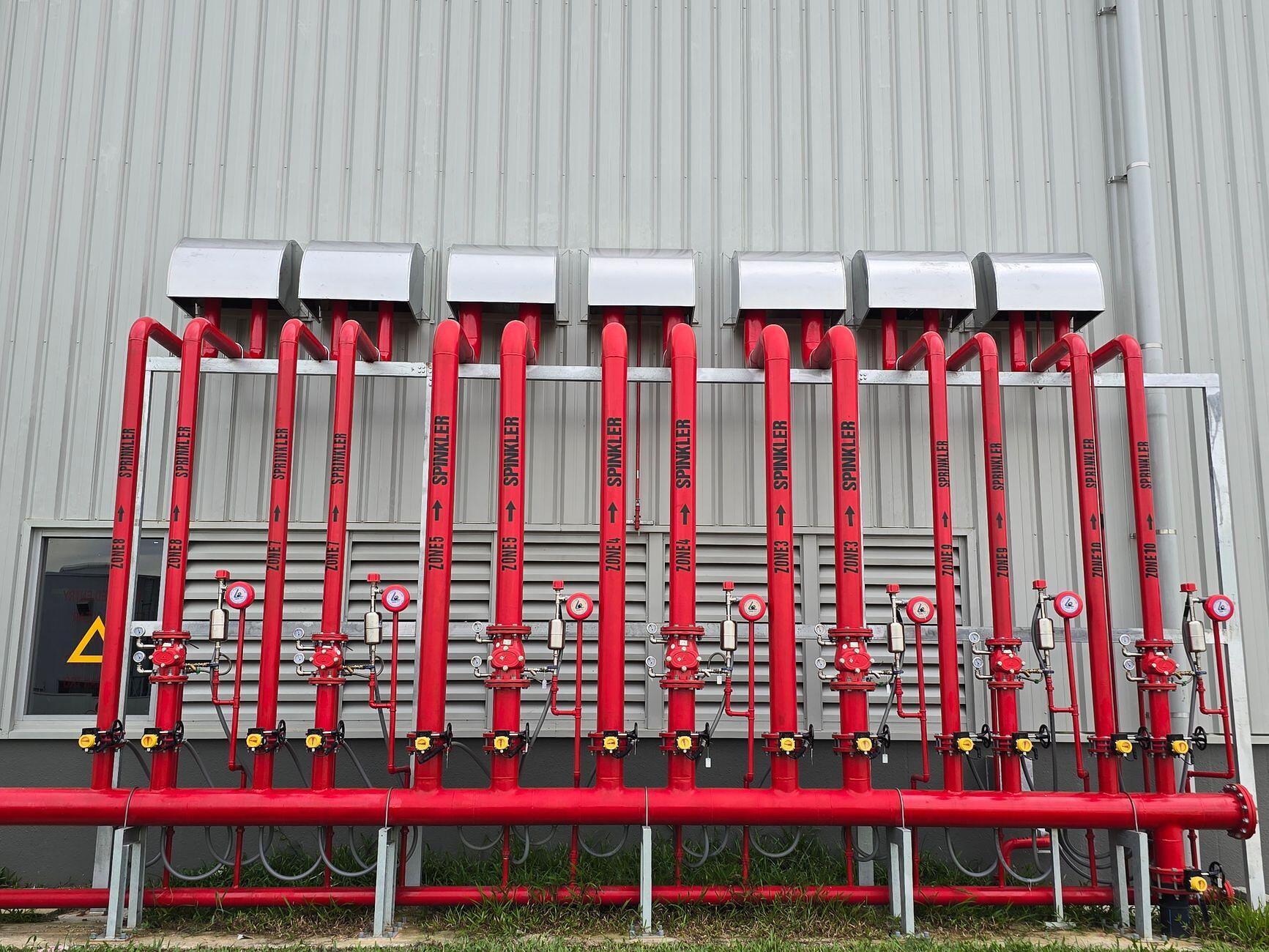
Sprinkler Impairment Fire Watch in Orlando
A closed riser, a fire pump out of service or a drained wet system removes the suppression the building was designed around, and the authority having jurisdiction and your insurance carrier both expect a documented watch for the whole outage. Nexus Security Firm posts licensed Florida officers on timed rounds and writes the log your impairment paperwork will need.
- A watch standing in hours
- Officers licensed under Florida Chapter 493
- Written impairment log for your AHJ and carrier
What a sprinkler impairment watch covers
With the sprinklers out, the watch is covering the gap between ignition and a fire department arrival that nothing is holding back any more. An alarm impairment costs the building detection. A sprinkler impairment costs it suppression, which is the difference between a fire that is controlled at the ceiling of one room and a fire that is still growing when the engine arrives. The officer walks the impaired area on the interval your AHJ has set, watches for smoke, heat and anything hot being run near combustibles, and calls the fire department on the first sign of trouble.
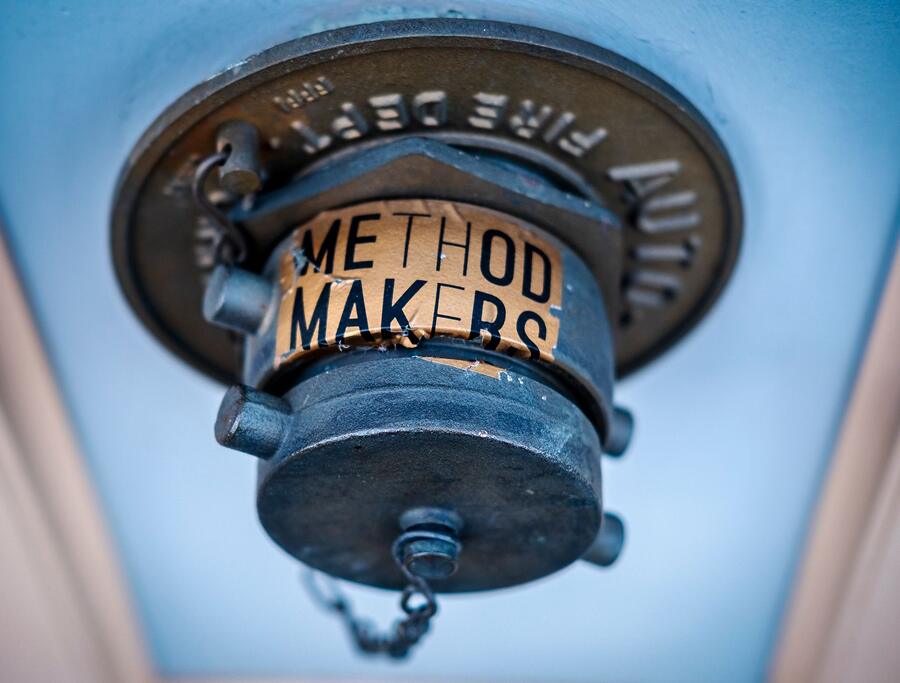
The post also covers the things that make a fire department response work. Fire department connections stay clear and visible. Hydrants near the building stay unobstructed. Exits and stair doors stay unblocked and unpropped. Hot work in or near the impaired area stops for the duration unless the AHJ has approved it in writing. Every round is entered in a log with the time and what was covered.
Work out roughly what a fire watch costs in Orlando
A watch is billed by the hour and runs unbroken until the system is back in service, so the length of the impairment drives the figure more than anything else. Five questions, against published Central Florida rate bands.
Rates derive from Florida guard wage data (ZipRecruiter, Salary.com, Indeed, 2026) marked up at the industry standard of 1.5x to 2x the wage (Belfry Software, 2026). A written proposal replaces this with a firm number.
What takes a sprinkler system out of service in Orlando
Most sprinkler impairments here are planned work that has run long. A tenant build-out in an office or retail suite needs heads moved, so the riser closes for the floor. A backflow device or a control valve is being replaced. A leak in a run above a ceiling drains the zone. Underground main work for a site expansion takes the supply. A fire pump goes down for annual testing or for a repair the parts have not arrived for.
The unplanned ones arrive faster. A vehicle takes out a riser in a parking podium, a freeze event splits a line in an unheated space, or a contractor cuts into a pipe nobody had isolated. Whichever it is, the clock starts the moment the valve closes, and the responsible party in your building, usually the impairment coordinator named in your carrier's program, owns the notification.
The threshold, and who sets it
Two separate requirements land on a sprinkler impairment and you answer to both. The fire code side is enforced in Florida through the Florida Fire Prevention Code under Chapter 633, which adopts the NFPA standards, and the authority having jurisdiction decides what your occupancy owes for the outage in front of it. The insurance side is your carrier's impairment program, which normally requires advance notice, a tag on the closed valve and a documented watch, and which can be stricter than the fire code.
The four-hour figure people quote from memory is the NFPA 72 cumulative threshold for fire alarm impairments in any 24-hour period, and it is the alarm number. For sprinkler work, call the fire marshal's office with the occupancy type, the area affected and the expected duration, and get the requirement from them before the valve closes. The practical rule that holds across almost every building: a system that will be down past the end of the working day, or down overnight with the building occupied, gets a watch.
Who buys a sprinkler impairment watch
Fire protection contractors book a large share of these, because they are the ones who know the riser is closing on Thursday and that the building has not arranged anything. Property managers book the rest, usually after the carrier's impairment form asks a question they cannot answer. Warehouses and distribution buildings along the 441 and Orange Blossom Trail corridors, hotels and timeshare properties on the tourism corridor, downtown office towers, and Lake Nona medical buildings are the recurring building types.
Warehouse operators feel this one hardest, because the sprinkler design is doing more work in a high-piled storage building than in almost any other occupancy. When that protection comes off a rack aisle for a week of pipe work, the watch is the only thing standing between a pallet fire and an uncontrolled loss, and the carrier knows it. Expect the carrier to ask who is standing the watch and under what license.
How the watch is staffed
Officer count follows the impaired area and the round interval, the same as any watch, with one difference: on a sprinkler impairment the AHJ often wants a tighter interval, because suppression is what is missing. A warehouse of several hundred thousand square feet with racking aisles takes longer to walk than its floor count suggests, so the route gets timed on foot before the quote is written instead of estimated from the square footage.
These posts are unarmed. Officers hold the Florida Class "D" license, which requires 40 hours of FDACS-approved training and is valid two years (FDACS Division of Licensing), and the agency holds FDACS Class "B" license B 1900066. A supervisor is assigned to the watch and attends the post while it runs, including on the overnight shifts, and relief for multi-day impairments is scheduled when the watch is booked.
What it costs and what moves the rate
Budget roughly $24 to $34 an hour per officer for Central Florida unarmed coverage, with sprinkler watches often near the top of the band because the intervals are tighter and the buildings are larger. The range comes from Florida guard wages of about $14 to $18 an hour and the 1.5x to 2x bill-rate markup the industry works on, with officer pay at around 70% of the bill rate (Belfry Software, 2026).
What moves it: the officer count the round interval forces, whether the watch is 24 hours or overnight only, how much notice there was, and how long the impairment will run. A planned two-week riser project books and prices like a contract. A Saturday night main break prices like the emergency it is. One term worth pulling out of every quote you compare is the minimum billable shift, since a four-hour minimum against a six-hour outage changes the total more than the hourly rate does.
How to verify the license
Run FDACS Class "B" agency license B 1900066 through the Florida Department of Agriculture and Consumer Services public license lookup, which is free and open to anybody. Your carrier will often want that number on the impairment notice, and an adjuster reviewing a claim after an outage will look for it too.
Individual officers hold Class "D" licenses searchable in the same place. When you are comparing agencies for a sprinkler watch, get every Class "B" number in writing on the quote and check all of them, because a building with its suppression off is the worst possible place to discover that the agency on site is unlicensed.
Watches that often run on the same building
A building with one system impaired often has another element out at the same time.
How a sprinkler impairment watch runs
Four steps, and the first one belongs before the valve closes wherever the work is planned.
-
Scope the impairment
What is closing, which area loses protection, when the valve shuts, how long the contractor expects to be down, and what your AHJ or carrier has already been told. Planned work should reach us before the riser closes so the watch starts at the same minute the protection stops.
-
Time the route
We walk the impaired area against the round interval you have been given. Racking aisles, mezzanines, back-of-house corridors and roof access all add minutes, and the total decides whether the building needs one officer or several.
-
Post, tag check, rounds
The officer confirms which valve is tagged and which area it covers, confirms the fire department connection and exits are clear, then begins timed rounds with written entries. Hot work in the impaired area stops unless the AHJ has approved it.
-
Restoration and stand-down
The watch stands down when the contractor restores the system, the valve is reopened and confirmed, and your AHJ accepts it. The completed log goes to you for the carrier file and for the building record.
What to expect
While the system is down, the building gets:
- Timed rounds of the impaired area by a licensed Florida officer
- A written log with times, areas covered and findings
- Fire department connections, hydrants and exits checked on every round
- Hot work in the impaired area held unless the AHJ approved it
- A supervisor attending the post, overnight included
- The completed log at stand-down for your carrier and your file
Why buildings put this watch with a licensed agency
The log survives an adjuster reading it
A sprinkler impairment is the outage most likely to be examined after the fact, because the carrier was told the protection was off. The log records the round times, the route, the valve tag checked, the condition of the fire department connection and anything found, with the officer name and license against it. That is a document a claims adjuster can follow without a phone call to us.
Fire watch obligations reach Florida buildings through the Florida Fire Prevention Code under Chapter 633.
The route gets timed on foot
A watch that cannot complete a round inside the AHJ's interval is a watch that fails on its own paperwork. On warehouse and high-rise impairments the route is walked and timed before the officer count goes into a quote, which is also the step that stops a building being sold one officer for a job that needs three.
Florida Class "D" officers complete 40 hours of FDACS-approved training (FDACS Division of Licensing).
Relief planned at booking
Multi-day sprinkler projects are where coverage gaps appear, and a gap in a sprinkler watch is an uncovered hour in a building with no suppression. Relief goes on the schedule when the watch is booked and a supervisor owns filling any hole. Industry turnover reached 77% in 2024 (ASIS International), so this is the question to put to every agency you call.
Security industry turnover hit 77% in 2024 (ASIS International).
What Reddit Says About Sprinkler Impairment Watches in Orlando
Sprinkler impairments themselves get almost no airtime in the threads, but the buying mistake that ruins them gets plenty. The recurring story is coverage sold as coverage when it is partial: one homeowner association contracted four hours a night, four nights a week, and was hit during the hours nobody was there. Applied to a sprinkler outage, the same arithmetic means a building with its protection off and its watch scheduled around the contractor's day shift.
The other thread that keeps repeating is lowest-bidder economics. A branch manager explaining how bill rates get built drew the observation that competing on price decides who ends up standing at your gate, and another contributor described the trickle down as forcing the hire of people they would never have hired for the work. For a watch standing in for a suppression system, the questions buyers tell each other to ask are the useful ones: what are the officers on this contract paid, who supervises the post, and what happens when one calls out an hour before shift.
A typical sprinkler impairment call
The situation: A common call from a distribution building off the 441 corridor: a leak above a racking aisle means the fire protection contractor has to drain and repair a branch line, and the riser serving roughly a third of the floor will be closed for four days. High-piled storage, two shifts running, and a carrier impairment program that requires notice, a tagged valve and a documented watch for the full outage.
What gets done: The building notifies the fire marshal's office and its carrier before the valve closes. We walk the impaired third on foot and time the round, which comes out longer than the square footage suggested because of the aisle layout, so the watch is staffed with two officers across the day and one overnight when the racks are static. Officers confirm the tagged valve and the area it covers, check the fire department connection and exit routes on each pass, and enter every round in the log. Hot work in the impaired area is held for the duration.
How it turns out: The branch line is repaired and the system restored on the fourth day, the valve is reopened and confirmed, and the watch stands down. The completed log goes to the property manager, who files it with the carrier as the documentation the impairment program asked for. Operations ran through the outage without a shutdown.
Sprinkler impairment watch questions
The first group is about the requirement and the notifications. The second is about staffing, cost and licensing.
Book the watch before the riser closes
Call with the building address, which area loses protection and how long the contractor expects to be down. Someone picks up this line at any hour, and the agency holds FDACS Class "B" license B 1900066.