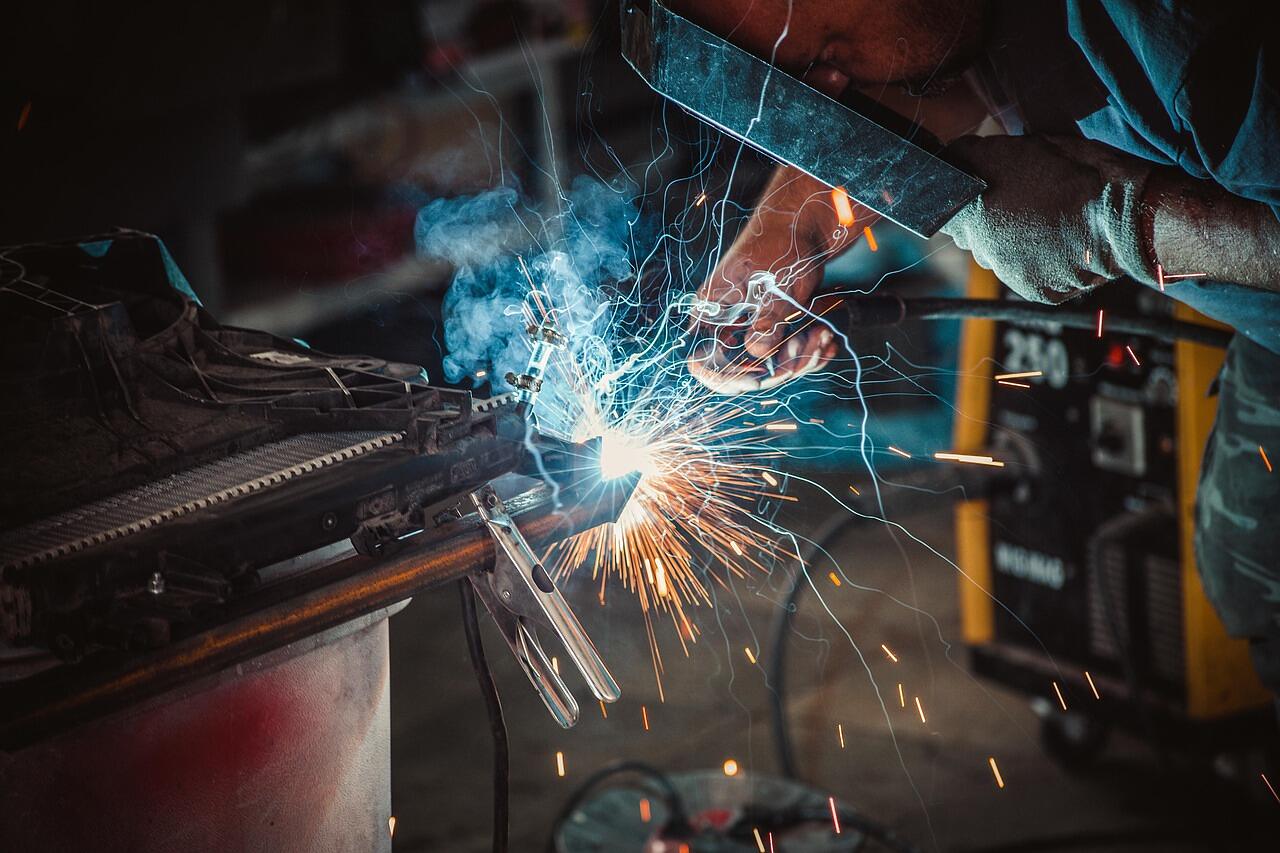
Hot Work Fire Watch in Orlando
A hot work permit puts a named fire watch on the job before the torch lights and keeps it there after the work stops, because most hot work fires start in the material behind or below the work and show themselves long after the welder has left. Nexus Security Firm supplies licensed Florida officers for the watch, on the permit and in the log.
- A watch standing in hours
- Watch held after the work stops, per the permit
- FDACS Class "B" agency license B 1900066
What a hot work fire watch covers
The watcher stands in the work area with extinguishing equipment, watching the places the sparks land instead of the place the torch is pointed. That means the far side of a wall being cut, the floor below an opening, the ceiling void above a weld, and any combustible material inside the exposure radius. OSHA's welding, cutting and brazing standard requires combustibles inside 35 feet to be relocated or shielded, and a fire watch to be maintained for at least half an hour after the work is finished (OSHA 29 CFR 1910.252). Many carriers and some authorities having jurisdiction extend that post-work period, so the permit in front of you governs.
The officer's job during the work is to watch, to keep unauthorized people out of the exposure area, and to have a means of calling the fire department. The officer handles an incipient fire with the extinguisher on the post and calls the fire department for anything past that. Everything gets written down: permit number, work location, start time, stop time, the post-work period and when it ended, and anything found.
What counts as hot work
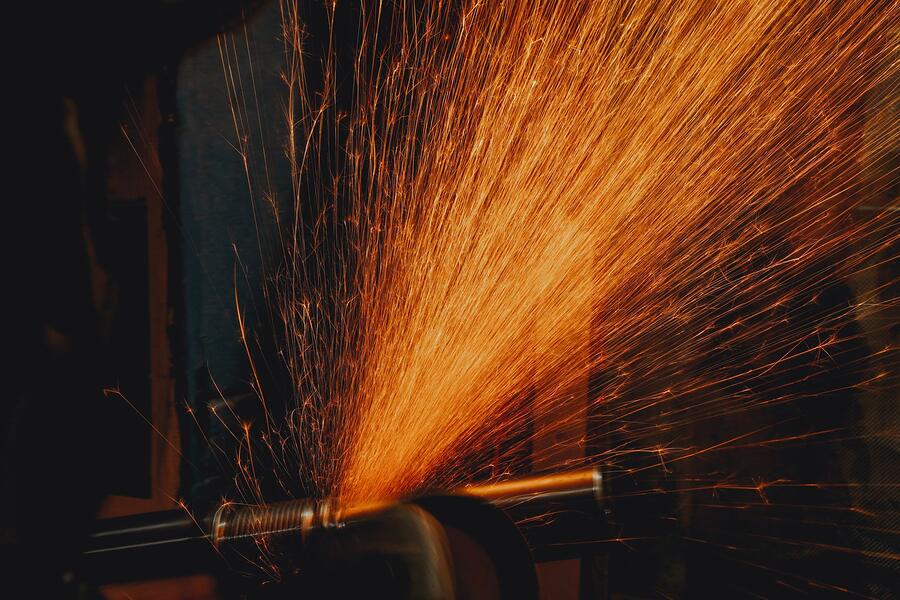
Anything that produces flame, sparks or enough heat to ignite what is nearby. Welding and oxy-fuel cutting are the obvious ones. Grinding throws sparks a surprising distance and starts as many fires as welding does. Brazing and soldering on copper lines in a ceiling space sits inches from dry timber and insulation. Torch-applied roofing is its own category, and in Central Florida it is the one that puts the most watchers on the most roofs.
Thawing pipes with a torch, heat guns on membrane seams, and cutting rebar or conduit inside a finished building all belong in the same permit process. The rule of thumb that holds up: if the permit program at your property, your general contractor or your carrier calls it hot work, it needs the watch, and arguing the category with an inspector after an incident is an argument nobody wins.
Who books a hot work watch in Orlando
Roofing contractors book more of these than anyone, because torch-down and modified bitumen work on occupied commercial buildings runs under a permit almost everywhere in the metro. Mechanical and plumbing contractors book them for pipe work in ceiling spaces. General contractors book them for tenant build-outs in occupied towers. Hotels and attractions on the tourism corridor book them because their own permit programs require a watcher who is not one of the tradesmen.
The other caller is the facility itself. A hospital, a data center or a warehouse with a formal hot work program will not let its own maintenance staff double as the watcher, since the person holding the extinguisher cannot also be holding the grinder. Orlando's hotel stock turns over rooms and roofs continuously against 76.7 million visitors in 2025 (Visit Orlando), which keeps renovation hot work running through occupied buildings all year.
How many watchers a job needs
One watcher covers one work area that one person can see all of. The moment sparks can reach somewhere the watcher cannot see, the job needs another. Cutting through a floor slab puts a watcher on the level below. Welding on one side of a partition puts a watcher on the other side. A roof crew running two torch kettles at opposite ends of a deck is two work areas and two watchers, whatever the permit was originally written for.
This is unarmed work. Officers hold the Florida Class "D" license, which requires 40 hours of FDACS-approved training and is valid two years (FDACS Division of Licensing), and they are briefed on the specific permit before the work starts: exposure radius, what is shielded, where the extinguisher is, the post-work period, and who to call. A supervisor is assigned to the job and attends multi-day hot work programs on site.
The half hour after the work stops
Most hot work fires are found after the crew has gone, which is exactly why OSHA requires the watch to continue for at least 30 minutes after the work is completed (OSHA 29 CFR 1910.252). Smoldering insulation, a hot stud conducting heat into a cavity, a spark that dropped into rockwool an hour ago: none of these announce themselves while the torch is running.
The practical problem on a job site is that the crew wants to go and the watcher is the only one left. A contractor watcher who packs up with the crew has given the permit back to the AHJ as a piece of paper with no work behind it. An officer on this post stays for the full period, walks the exposure area once more at the end of it, and closes the log with the time. Where your permit or your carrier asks for a longer period, that is the period the officer stands.
What a hot work watch costs
Central Florida unarmed coverage runs roughly $24 to $34 an hour per officer, and on hot work the minimum billable shift matters more than the hourly rate, because a three-hour weld plus a post-work period is a short post. The band comes from Florida guard wages of about $14 to $18 an hour and the 1.5x to 2x bill-rate markup the industry works on (Belfry Software, 2026).
Three things move the number. Watcher count, which the work areas decide. Notice, since a Friday afternoon call for Saturday morning roof work costs more to staff than the same job booked on Tuesday. And schedule shape, because a roofing program needing a watcher every weekday for three weeks prices better per hour than six scattered half-days. Contractors running repeat hot work across several Orlando sites usually do better setting up a standing arrangement than calling each job in cold.
Verifying the license the permit will ask for
Hot work permits on managed properties often require the watcher's employer to be a licensed agency and ask for the number. Nexus Security Firm holds FDACS Class "B" agency license B 1900066, which anybody can check on the Florida Department of Agriculture and Consumer Services public license lookup, free of charge.
Officers hold individual Class "D" licenses searchable in the same place. If the property's safety manager wants the watcher's license on file before the permit is signed, that is a reasonable ask and it takes a minute to satisfy. Any agency that cannot produce a Class "B" number for a permit application should not be on the job.
Watches that often run on the same building
A building with one system impaired often has another element out at the same time.
How a hot work watch is set up
Four steps, and the useful one is the first, because the permit tells us what the post has to be.
-
Send the permit details
Location, type of hot work, how many separate work areas, scheduled start and stop, the exposure radius and what has been shielded, and the post-work period the permit requires. If the property has its own hot work program, the program document answers most of this.
-
Watcher count and briefing
We set the watcher count against the number of areas that cannot be seen from one position, then brief each officer on the permit before the crew starts: radius, shielding, extinguisher location, notification path and the stop time.
-
Pre-work check and the work itself
The officer walks the area with the crew lead before ignition to confirm combustibles are moved or covered and the exposure area is clear, then holds the post for the whole of the work with extinguishing equipment to hand.
-
The post-work period and close-out
The watch continues for the period the permit requires after the work stops, with a final walk of the exposure area at the end. The officer closes the log with times and hands the record to the permit holder.
What to expect
On a hot work post you get:
- An officer with no duty except the watch and the extinguisher
- A pre-work check of the exposure area with the crew lead
- Cover for every work area sparks can reach
- The watch held for the full post-work period on the permit
- A written record with permit number, times and findings
- A licensed Florida agency number for the permit file
Why contractors put the watcher with an agency
The watcher is not also a tradesman
A crew member watching the work is a crew member who will pick up a tool the moment the job needs one, which is the failure the permit process exists to prevent. An agency officer on the post has one duty and stays for the full post-work period after the crew has loaded out. That is also the arrangement most property safety managers will accept without argument.
OSHA requires a fire watch for at least half an hour after hot work is completed (OSHA 29 CFR 1910.252).
Briefed on the permit before ignition
Officers are briefed on the specific permit: exposure radius, what is shielded, where the extinguisher sits, the notification path and the required post-work period. A watcher who does not know the radius is watching the wrong thirty feet. The briefing takes ten minutes and it is the difference between a person standing there and a fire watch.
A Class "D" license in Florida sits on 40 hours of FDACS-approved training (FDACS Division of Licensing).
A licensed agency the permit file can name
Nexus Security Firm holds FDACS Class "B" agency license B 1900066 and the officers hold Class "D" licenses, all of it public on the Division of Licensing lookup. Managed properties and general contractors with formal hot work programs ask for that number, and having it ready keeps the permit moving instead of stalling on a Friday afternoon.
Florida enforces hot work and fire watch requirements through the Florida Fire Prevention Code under Chapter 633.
What Reddit Says About Hot Work Fire Watch in Orlando
Fire watch queries turn up almost nothing in the security threads, so the material worth borrowing is what buyers say about vetting the company instead of about the post itself. The complaint that comes up more than any other is a vendor blaming the officer instead of fixing the arrangement: an apartment manager described repeated incidents where the answer was always to fire that guard and send a better-trained one, and nothing changing. For a hot work post, the arrangement is the briefing and the post-work period, and neither of those is the officer's to fix.
The red flag vetting guides and the threads agree on is a company that cannot tell you who supervises the post, how incidents are reported, or how its officers are trained. Buyers also say the search itself is the frustrating part, one describing getting the blandest possible results when they had a specific requirement. If you are hiring a watcher for a permit, the specific requirement is the permit, so ask how the officer will be briefed on it and who signs off that the post-work period was stood in full.
A typical hot work call
The situation: A common call from a roofing contractor working an occupied Orlando office building: three days of torch-applied membrane over a tenant-occupied floor, with the property's hot work program requiring a watcher who is not part of the roofing crew and a full post-work period after the kettles shut down each afternoon. Two crews working opposite ends of the deck, and a mechanical penthouse with combustible insulation inside the exposure radius.
What gets done: Two officers are assigned, one to each work area, because neither end of the deck can be seen from the other. Both are briefed on the permit before the first kettle lights: exposure radius, which penetrations are covered, where the extinguishers sit and the notification path. They walk the deck with the crew lead each morning to confirm combustibles are shielded, hold the post through the work, and stay for the required period after the crews stop, walking the deck and the penthouse once more at the end of it.
How it turns out: The three days close out with a written record per day carrying the permit number, the work times, the post-work period and the final walk. The property's safety manager files it with the permit. The contractor keeps its access to a building whose program would have pulled the permit for a watcher who left with the crew.
Hot work fire watch questions
The first group covers the permit and the code. The second covers staffing, cost and licensing.
Put a watcher on the permit
Call with the job location, the type of hot work, how many work areas and the schedule. The line is staffed around the clock, and the agency number for your permit file is B 1900066.