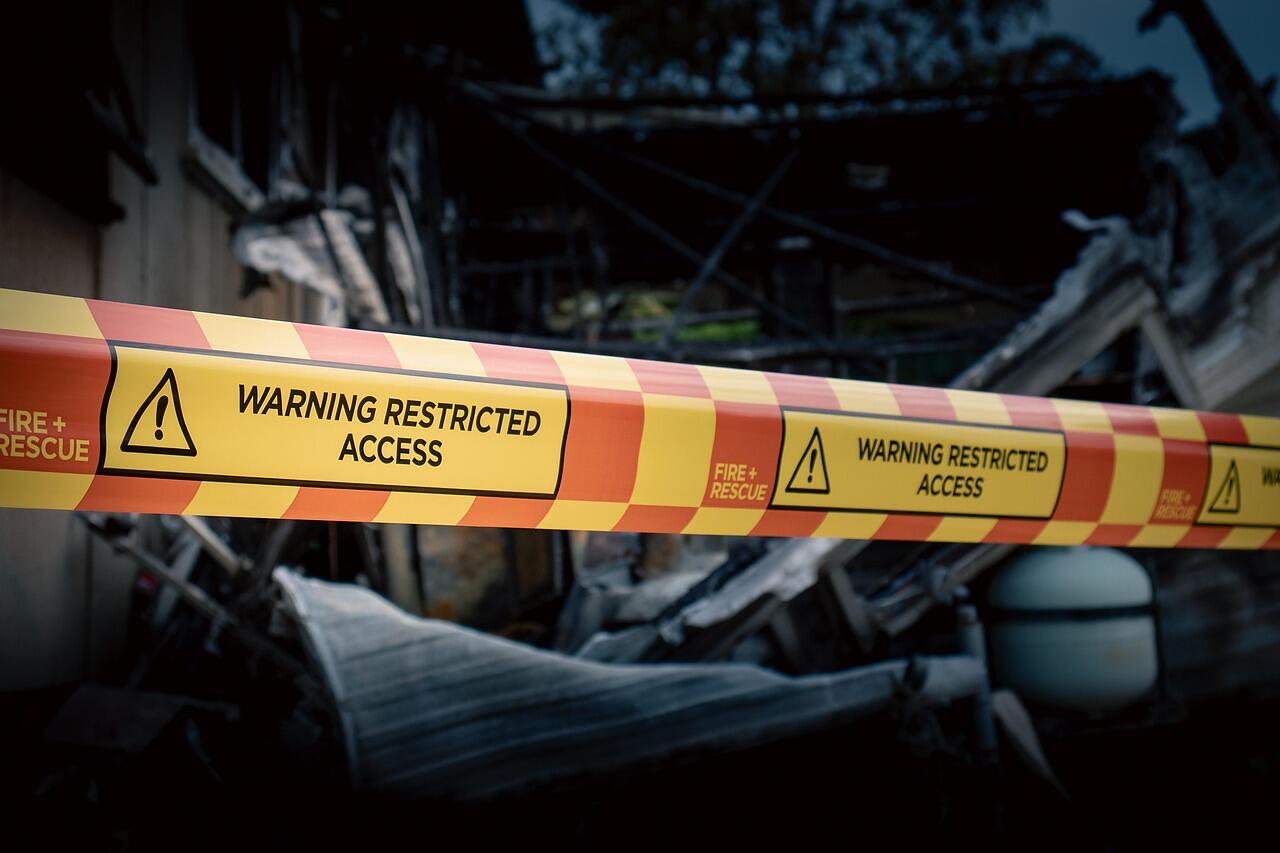
Condo Recertification Fire Watch in Orlando
Milestone inspection repairs reach balconies, risers, corridors and stair cores, which means the fire protection comes out of service floor by floor while every resident stays in the building. Nexus Security Firm staffs the long watches that work produces, with licensed Florida officers, a fixed route and a log the board and the carrier can both read.
- A watch standing in hours
- Watches scheduled in weeks, staffed in shifts
- FDACS Class "B" agency license B 1900066
Why recertification work produces a fire watch
Because structural repair work cuts through fire protection. The milestone inspection program Florida adopted after the Surfside collapse has pushed a large number of condominium associations into phase two investigation and then into repair, and the repairs land in exactly the places the sprinkler and alarm systems live. Balcony slab work severs the branch lines that feed balcony heads. Stair core repairs take standpipe sections out. Corridor ceiling work exposes and interrupts alarm wiring and devices. Garage podium repairs put the dry system and the pump room in the middle of the job.
Each of those is an impairment, and every impairment brings the same obligations as any other. The NFPA 72 threshold of four cumulative hours in any 24-hour period applies to the alarm side, the authority having jurisdiction sets what the sprinkler outage owes, and Florida enforces both through the Florida Fire Prevention Code under Chapter 633. The difference from a one-night panel failure is duration: these watches are measured in weeks and sometimes months, on a schedule the general contractor moves.
What the watch covers in an occupied building
The officer walks the impaired floors and the areas adjacent to them on a timed round, in a building where people are asleep behind the doors. That round covers residential corridors, stair cores, the trash room, the mechanical and electrical rooms, the garage levels and the work areas the contractor has left for the night. Anything the crew left hot, any material stacked in a corridor, any fire door propped for ventilation and any extension cord run under a unit door goes in the log and to the property manager.
The round also protects the fire department's access, which construction traffic erodes fast. Fire lanes blocked by a dumpster or a lift, a fire department connection buried behind scaffold, a stair exit obstructed by staged material: these are the findings that recur on recertification projects and the ones a fire marshal notices on a drive-by. Officers check them every pass.
What recertification means in Central Florida
Orange, Seminole, Osceola and Lake counties came to building recertification through state law instead of through a local ordinance. South Florida counties have run their own building recertification programs for decades, so associations there have a long habit of phased repair work. Central Florida associations are mostly doing this for the first time, on buildings put up during earlier growth cycles, with boards who have never budgeted for a fire watch line and managers who have never scheduled one.
That shows up in three ways. The scope grows after the phase two investigation, so a four-week repair becomes fourteen. The fire protection impact is usually discovered late, because the structural engineer's report addresses the structure. And the watch becomes an unbudgeted cost arriving at a board that has already voted a special assessment. Associations that ask the contractor early which systems come out of service and for how long get to put a real number in front of owners the first time instead of the third.
How a long watch is staffed
Officer count follows the round time on the impaired floors, and on a residential tower with the elevators in service that is usually one officer, moving to two when the impairment covers the whole building or the elevators are out for their own repairs. The pattern that suits most projects is continuous coverage while the systems are down, since a building full of sleeping residents has the same exposure at 3am as at 3pm and a bigger one.
These posts are unarmed. Officers hold the Florida Class "D" license, which requires 40 hours of FDACS-approved training and is valid two years (FDACS Division of Licensing), and on a project this long they are briefed on one route and one log format so the record reads the same in week nine as in week one. A supervisor is assigned to the project and attends the post, including overnight. Relief across a multi-week schedule is set when the watch is booked, because the callout on a Sunday night is the thing that turns a watch into a gap.
What a recertification watch costs a board
Central Florida unarmed coverage runs roughly $24 to $34 an hour per officer, derived from Florida guard wages of about $14 to $18 an hour and the 1.5x to 2x bill-rate markup the industry works on (Belfry Software, 2026). Long committed schedules price in the lower half of that band, which is the one advantage a recertification watch has over an emergency one.
The figure a board needs is the monthly one. A single officer on continuous coverage is three shifts a day, seven days a week, and that arithmetic produces a number large enough that it belongs in front of owners before the contract is signed instead of in the first invoice. Two things bring it down. A contractor who can phase the work so fewer floors are impaired at once shortens the watch. And where your AHJ will accept a watch covering only the hours the building is not otherwise staffed, the hours drop. Where a reduced pattern will satisfy your AHJ, we will say so, and where it will not, the answer is the same whichever agency you ask.
Working around residents for weeks at a time
A watch in an occupied residential building is a person walking past the same doors several times a night for a month, and that goes better when the board has told owners it is happening and why. Residents who know there is a fire watch because the sprinklers on their tier are down behave differently from residents who see an unexplained stranger in the corridor at two in the morning, and they report things instead of wondering.
Officers on these posts are briefed on what to do with resident contact: answer the question, log the interaction, refer building matters to management. They are there for fire, and the building is better served when residents know that and use them for it. Boards that put a short notice on the elevator lobby at the start of the watch get fewer complaints and more useful reports.
How a board verifies the license
Put agency license B 1900066 into the Florida Department of Agriculture and Consumer Services public lookup. It is free, it is public record, and a board member can run it in a minute without asking management or the agency for anything. Directors approving a vendor contract from association funds should run it as a matter of course.
Officers hold individual Class "D" licenses searchable in the same place. If your association is comparing proposals, require every agency to put its Class "B" number on its proposal and check all of them, along with certificates of general liability and workers compensation insurance naming the association.
Watches that often run on the same building
A building with one system impaired often has another element out at the same time.
How a recertification watch is set up
Four steps, and the first belongs at the point the repair scope is written instead of the week the riser closes.
-
Get the impairment schedule from the contractor
Which systems come out of service, which floors, in what order and for how long. The structural scope rarely spells this out, so the question goes to the fire protection subcontractor. That schedule is what the watch is priced and staffed against.
-
Confirm the requirement with the AHJ
The association or the manager notifies the authority having jurisdiction and confirms the round interval and the coverage the occupancy owes. Getting that in writing early stops a mid-project disagreement about what the watch should have been.
-
Walk and time the route
We walk the impaired floors, the stair cores, the garage levels and the work areas with your manager and contractor, time the round, and set the officer count. Access, keys, fobs and gate codes get sorted in the same visit.
-
Run, review, stand down
The watch runs on the agreed route with a log per shift. The route is rewalked when the contractor moves to a new tier, and the watch stands down when the systems are restored, tested and accepted. The complete log goes to the association.
What to expect
Through the project the association gets:
- Timed rounds of the impaired floors and adjacent areas, every shift
- A written log with times, areas covered and findings
- Fire lanes, connections, stair exits and fire doors checked each round
- Findings passed to the property manager inside the shift
- A supervisor attending the post overnight through the project
- The agency license number for the board file and the carrier
Why boards keep this with one agency for the whole project
One route and one log format for the whole project
A watch running three months across changing floors produces a record a board will eventually have to explain to a carrier or an owner. Keeping the route definition, the log format and the briefing constant means week twelve reads like week one, and the tier changes are documented as changes instead of appearing as inconsistencies.
The Florida Fire Prevention Code under Chapter 633 is what puts the watch obligation on the building.
Relief planned for a schedule that moves
Recertification schedules slip, tiers reopen and close, and the watch has to follow. Relief is set at booking and a supervisor owns filling a gap, which matters more here than on a one-night watch because there are ninety nights to fill. Industry turnover reached 77% in 2024 (ASIS International), so ask every proposer how they cover a Sunday callout.
Security industry turnover hit 77% in 2024 (ASIS International).
A number the board can take to owners
The monthly cost of a continuous watch is a line item owners will see, so it gets quoted as a monthly figure with the officer count and shift pattern behind it, and with the honest note about which parts of it your AHJ could let you reduce. Boards that present that early alongside the assessment have an easier meeting than boards that present it after the first invoice.
Officer pay runs about 70% of the bill rate, with markup at 1.5x to 2x the wage (Belfry Software, 2026).
What Reddit Says About Condo Fire Watch in Orlando
Association threads are consistent on one thing about security spending: bring the real number to owners early. Boards that worked out a guard cost, at roughly forty dollars an hour in the examples discussed, found a full-time post ran into tens of thousands a year and could mean a dues increase of around twenty percent, and the advice was always to put that in front of owners before committing instead of defending it afterward. A recertification fire watch behaves the same way, with the difference that the code decides whether you are having it.
The other finding that matters in an occupied building under repair is under-reporting. Property managers describe residents seeing something and saying nothing, sometimes for days, often because they do not want to be the one who complained. A watch only works if what the officer cannot see gets told to someone, so boards get more out of the money when residents know the watch exists, know why, and know that reporting a propped stair door is useful instead of nosy.
A typical recertification call
The situation: A common call from a manager of an older Orlando condominium tower in its milestone repair phase: balcony slab work is moving tier by tier up the building, and each tier's work severs the sprinkler branch lines feeding the balcony heads for about three weeks. Residents are staying in place throughout. The board discovered the fire watch requirement when the fire protection subcontractor mentioned it, two weeks before the first tier came out of service.
What gets done: The association gets the impairment schedule from the subcontractor and confirms the round interval with the fire marshal's office in writing. We walk the impaired tier, the stair cores, the garage and the staging areas with the manager and the contractor and time the round, which comes out as one officer on continuous coverage. Officers are briefed on one route and one log format, and rebriefed at each tier change. Findings like staged material in a stair landing and a propped corridor door go to the manager inside the shift.
How it turns out: The watch runs across the tiers and stands down as each is restored and the systems tested, with the final stand-down when the last tier is accepted. The board holds a continuous log covering the whole impairment for its own file, its carrier and any owner who asks, and the monthly cost was in front of owners before the contract was signed.
Condo recertification fire watch questions
The first group is for boards and managers working out whether they owe a watch. The second covers cost, staffing and licensing.
Get the number before the board meeting
Call with the building address, the floor count and the impairment schedule from your fire protection subcontractor, and we will work out the officer count and the monthly figure. The line is answered at any hour, and the agency license number for your board file is B 1900066.